
This is the second article about the life of Walter S. Wood, an early resident of Morningside Heights in Wedgwood.
In 1927 Walter Wood turned forty years old and he was going full-steam ahead with all of his varied businesses in the Morningside Heights plat of what is now part of Wedgwood in northeast Seattle.
Walter Wood’s city directory listing for 1928 gave his occupation as “real estate, fuel, building materials.” The Wood’s house number was 9428 25th Ave NE, so Walter had given his store/gas station the same number, 9428 Victory Way (Lake City Way.) In 1930 his store’s name was in the city directory for the first time, Morningside Service Station, listed as selling oil, gas and groceries, plus wood and coal for home heating. Since we know that Walter was also serving as Justice of the Peace of Morningside Precinct and he held court right there in his store, it would be fair to say that Walter Wood was doing a real juggling act and trying to keep a lot of balls in the air.
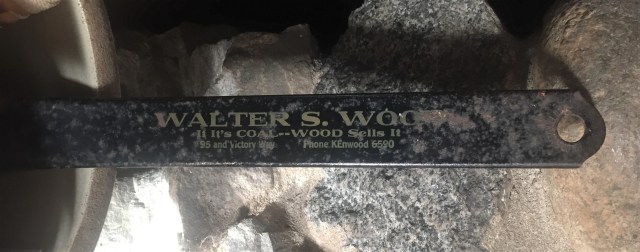
A coal shovel with advertisement of Walter Wood’s place of business at 95th & Victory Way, courtesy of the current owners of the Wood’s house.


 Wedgwood in Seattle History