What about the “E” in Wedgwood?

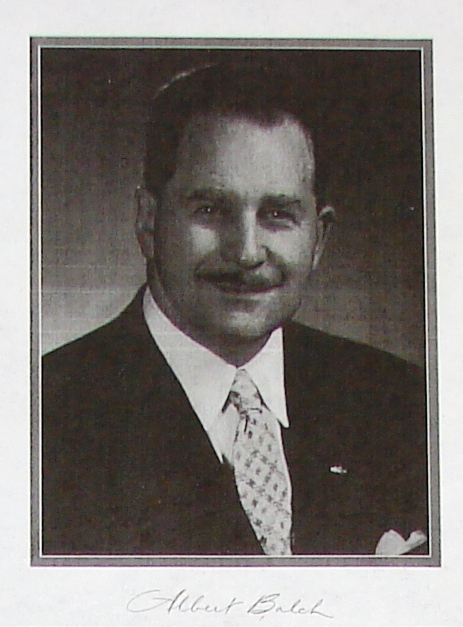
Albert Balch, developer of Wedgwood

Albert Balch, developer of Wedgwood

The Wedgwood neighborhood in Seattle took its name from a real estate development which was started in 1941 by Albert Balch.  The naming happened gradually after Balch’s Wedgwood group of houses became well-known.

In an April 1956 interview for the Wedgwood Echo, the community club newspaper, Balch told the story of how the name “Wedgwood” came to be.  Balch and his business partner, Ralph Jones, had previously named and built houses in View Ridge, a neighborhood centered around NE 70th Street on the slope east of 35th Ave NE, looking toward Lake Washington.  Balch’s wife Edith hadn’t liked the name View Ridge, so Balch told her she could choose the name of the next project.

Continue reading

Posted in Balch, boundaries, businesses, name of the neighborhood | Tagged , , , , | Leave a comment

In the Shadow of Wedgwood Rock: the Berg Family

Wedgwood Rock cartoon by Bob Cram, 1995 community newsletter.

John and Elida Berg were Swedish immigrants who, as newlyweds, were able to find a home and a new life in Seattle.  In 1910 John and Elida built a house on 29th Ave NE at NE 68th Street, just south of Wedgwood Rock which is on 28th Ave NE at NE 72nd Street.

In those days in the early 1900s it was called Big Rock, because the name “Wedgwood” for the neighborhood did not yet exist.  The area around Big Rock from NE 70th to 75th Streets was untouched and undeveloped; there were no streets put through around the Rock.

The content of this article is protected under a Creative Commons Copyright.  Do not copy text or photos without permission.

Continue reading

Posted in Houses, Immigrant heritage, Wedgwood Rock | Tagged , , , | Leave a comment

Mr. Cook, early neighborhood activist in Wedgwood

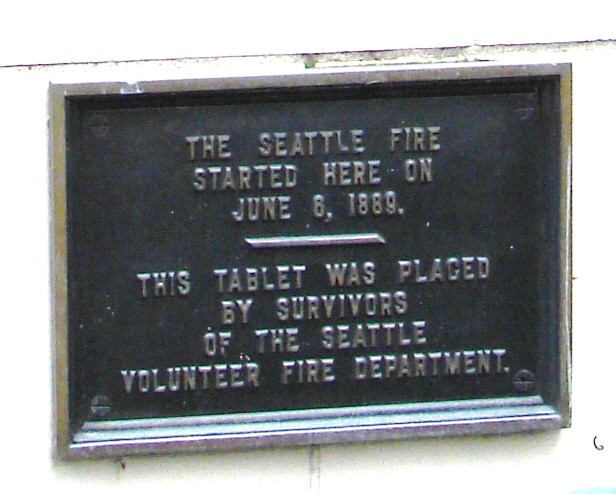
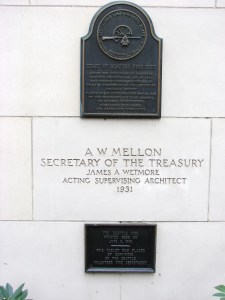
Old Federal Building historic plaques

Historic markers on the Old Federal Building on First Avenue in Seattle.  The Great Seattle Fire started here at the corner of Madison Street.

Like other American cities which had major fires in the 1800s, Seattle received a publicity boost from its Great Fire of June 6, 1889.  Telegrams went out to other cities’ newspapers telling of the heroic efforts to save property and that no lives were lost in Seattle’s fire.

After Seattle’s big fire, city leaders quickly organized to rebuild Seattle’s downtown core on a better street grid and with improved utilities.   The city population jumped, swelled by people from all over the USA who came hoping to get jobs in Seattle’s rebuilding program.

Out in Barnes County, North Dakota, a young man named Frank Vickers Cook heard about the Great Seattle Fire and thought of the opportunities that might be available to him.  He had just one more thing to do before going to Seattle:  complete his North Dakota homestead claim and then arrange to sell the land.

There is a memorial marker for the Seattle Fire of June 6, 1889, placed on the old Federal Building at 1st & Madison Streets.

Continue reading

Posted in boundaries, businesses, Houses | Tagged , , , , , , | Leave a comment

Homesteading in Wedgwood after the Civil War

Wedgwood courtesy of HistoryLink

Wedgwood neighborhood in northeast Seattle. Map courtesy of HistoryLink.

In Seattle in the 1870s it was still possible to obtain land in a homestead claim.  Some who came to Seattle were young adventure-seekers, but many who came seeking land were older men who were trying to make a fresh start; some were veterans of the Civil War.

Veterans of the Union Army who fought in the Civil War, 1861-1865, received credit for time served in the war so that they did not have to take a full five years to “prove up a claim” and be awarded ownership of land, according to the Homestead Act of 1862.  They would deduct the number of years served in the war and then only had to live on the homestead claim until the remainder of the time, plus build a house.

Washington Territory did not send troops to the Civil War but after the war, veterans from all over the USA were attracted to the Pacific Northwest by the availability of land.  In the 1870s the first white settlers in the Wedgwood area were Civil War veterans who had come from other states of the USA.

Continue reading

Posted in Civil War, Plat names, School histories, Wedgwood Rock | Tagged , , , , , | Leave a comment

The Conroy family in Wedgwood

Sam & Mary Ellen Conroy came to the Wedgwood neighborhood of Seattle in about 1915.  They lived a rural lifestyle of using draft horses for construction and road work, and they helped nurture the Chapel of St. Ignatius which met in a log cabin.

Continue reading

Posted in 3239 NE 87th Street, churches, Houses, Immigrant heritage | Tagged , , , | Leave a comment

Our Lady of the Lake Catholic Church in Wedgwood, Seattle

A Catholic church was founded in Wedgwood in 1929 by the Jesuits of Seattle University.   They bought a forty-acre tract of land with the intention of moving Seattle University to the site, but only one month after the land purchase, the stock market crash of October 1929 set off the economic crisis called the Great Depression, and the university’s moving plans never went forward.

Continue reading

Posted in Architecture, churches | Tagged , , | Leave a comment

A Victorian in Wedgwood

The Wedgwood neighborhood does not have any Victorian houses built in the 1800s, but there is one house, completed in 2007, built in the Queen Anne style which was popular more than a century ago in Seattle.  The house is at 3056 NE 87th Street.

Continue reading

Posted in 3056 NE 87th Street, Architecture, Houses | Tagged , | Leave a comment

From Herkenrath to Hunter’s

The Wedgwood Post Office at 7714 35th Ave NE and the Hunter Tree Farm at 7744 are on the former site of the Herkenrath house, built in 1926.

Continue reading

Posted in businesses, Hunter's Tree Farm, Immigrant heritage, Neighborhood features | Tagged , , , , | Leave a comment

The McVicar Hardware Store in Wedgwood

After Grant McVicar finished service with the Navy in World War Two, he returned to Seattle and went into business with his father.   The McVicars rented a brand-new storefront on the west side of 35th Ave NE between NE 85th and 86th Streets.   McVicar Hardware operated 1946 to 1986, thriving in the climate of the post-war housing boom with young families fixing up their homes and yards in Wedgwood.

Continue reading

Posted in businesses, name of the neighborhood | Tagged , , , | 4 Comments

Wedgwood’s First Business District

The development of Wedgwood’s first business district began with J.W. (Joe) Shauer, an enterprising businessman who moved his family from Greenwood to Wedgwood in 1918.  Mr. Shauer (pronounced shower) paid $1,000 for an acre of property on the west side of 35th Ave NE between NE 85th to 86th Streets.  On the corner of NE 86th Street, the site now occupied by Wells Fargo Bank, the Shauers built a one-room house with a screened porch on one side.  The house was truly “out in the country,” as it was without running water or electricity; electricity wasn’t brought that far out on 35th Ave NE until 1923.

NOTE:  All rights reserved under Creative Commons Copyright; do not copy text or photos from this article.

Continue reading

Posted in businesses, ginseng farm, taverns | Tagged , , , | Leave a comment